The Importance of Glutathione for Heart Health: A Key Antioxidant for Preventing Heart Failure

The heart is one of the most vital organs in the human body. It is responsible for pumping blood, which carries nutrients and oxygen to all parts of the body. However, it is also vulnerable to damage from various factors such as stress, unhealthy diet, lack of exercise and exposure to toxins. These factors can lead to oxidative stress or an imbalance between free radicals and antioxidants in the body. Oxidative stress can cause damage to cells and tissues, including those in the heart.

One key antioxidant that plays a crucial role in protecting the heart from oxidative stress is glutathione. Glutathione is a tripeptide composed of three amino acids – cysteine, glutamine and glycine. It is produced naturally by our bodies and plays a vital role in many cellular processes such as DNA synthesis, protein synthesis and cell division.

Glutathione also acts as an antioxidant by neutralizing free radicals that are produced during normal metabolic processes or when we are exposed to environmental toxins such as air pollution or cigarette smoke. Free radicals are highly unstable molecules that can cause damage to cells by stealing electrons from other molecules such as proteins or DNA.

When there are too many free radicals present in our bodies due to exposure to toxins or unhealthy lifestyle habits like smoking or excessive alcohol consumption, it leads to oxidative stress which can lead to chronic diseases like heart disease.

Glutathione works by donating an electron (reducing agent) to neutralize these free radicals before they can cause any damage. It also helps regenerate other important antioxidants like vitamins C and E so they can continue their protective roles within cells.

Research has shown that low levels of glutathione are associated with increased risk of heart disease including hypertension (high blood pressure), coronary artery disease (CAD) and congestive heart failure (CHF). A study published in The American Journal of Cardiology found that patients with CHF had significantly lower levels of glutathione compared to healthy individuals.

Another study published in the Journal of Cardiovascular Pharmacology found that increasing glutathione levels in animals with hypertension reduced the incidence of heart failure. These findings suggest that glutathione plays a critical role in protecting the heart from damage and preventing heart disease.

Apart from its antioxidant properties, glutathione also has other health benefits. It helps support the immune system by enhancing the activity of immune cells such as T-cells and natural killer cells. It also supports detoxification processes by helping to eliminate toxins and other harmful substances from our bodies.

So how can we increase our levels of glutathione for better heart health? One way is through diet. A diet rich in fresh vegetables and fruits (especially grapes), nuts, seeds and lean meats can help boost your body’s production of glutathione.

Foods rich in sulfur-containing amino acids like cysteine are particularly important as they are essential for producing glutathione. Examples include garlic, onions, broccoli, cauliflower, Brussels sprouts and kale.

Supplements containing N-acetylcysteine (NAC) can also help increase glutathione levels. NAC is a precursor to cysteine which is needed for making glutathione. Studies have shown that NAC supplements can increase blood levels of cysteine which leads to increased production of glutathione.

In conclusion, maintaining optimal levels of glutathione is crucial for protecting your heart from damage caused by oxidative stress. A healthy diet rich in sulfur-containing amino acids along with supplements like NAC can help boost your body’s production of this key antioxidant. By taking care of your heart with good nutrition choices you may be able to decrease your risk factors associated with chronic diseases like hypertension or CHF while boosting overall health!
The Benefits and Science behind Nitric Oxide Supplementation for Health and Fitness

, and the results have been overwhelmingly positive. In this article, we will discuss the science behind nitric oxide supplementation for health and fitness and explore its benefits.

What is Nitric Oxide?

Nitric oxide (NO) is a molecule that our body produces naturally. It plays a vital role in various physiological processes such as vasodilation (widening of blood vessels), neurotransmission, immune response, and inflammation regulation. Nitric oxide also contributes to athletic performance by improving blood flow to muscles during exercise.

How Does Nitric Oxide Supplementation Work?

Supplementing with nitric oxide precursors like L-arginine and L-citrulline can improve NO levels in the body. L-arginine is an amino acid that converts into NO when it enters the bloodstream while L-citrulline converts into arginine before being converted into NO.

When we consume these supplements, they enter our bloodstream and increase the production of NO in our body. This leads to vasodilation which improves blood flow throughout the body including muscles during exercise.

The Benefits of Nitric Oxide Supplementation

1) Improved Cardiovascular Health

One of the most significant benefits of nitric oxide supplementation is improved cardiovascular health. The supplement increases vasodilation which reduces resistance against blood flow leading to lower blood pressure levels.

A study conducted on 14 healthy men showed that consuming an L-arginine supplement for two weeks significantly reduced systolic and diastolic blood pressure compared to a placebo group (1).

Another study involving 50 patients with high cholesterol showed that L-arginine supplementation reduced total cholesterol levels by 10% after six months (2).

2) Enhanced Exercise Performance

Nitric oxide plays an essential role in increasing blood flow during exercise leading to better oxygen delivery to muscles resulting in improved performance.

In one study involving eight male cyclists who consumed a single dose of beetroot juice high in nitrates had significant improvements in time-to-exhaustion and power output during cycling (3).

Another study involving 14 healthy men showed that taking an L-arginine supplement for four weeks improved exercise endurance by increasing oxygen uptake and reducing the rate of fatigue (4).

3) Reduced High Blood Pressure During Pregnancy

High blood pressure during pregnancy can lead to various complications like pre-eclampsia, which can be life-threatening for both mother and baby.

A study conducted on 40 pregnant women with high blood pressure showed that consuming a nitric oxide supplement containing L-arginine and antioxidants significantly reduced blood pressure levels compared to a placebo group (5).

4) Improved Erectile Dysfunction

Nitric oxide plays an essential role in vasodilation, including penile vessels. Erectile dysfunction is often caused by poor blood flow to the penis leading to inadequate erections.

A randomized controlled trial involving 50 patients with erectile dysfunction showed that consuming an L-arginine supplement significantly improved erectile function compared to a placebo group (6).

5) Improved Healing Processes

Nitric oxide also contributes to wound healing by improving blood flow and promoting angiogenesis (the formation of new blood vessels).

A study conducted on rats showed that topical application of nitric oxide gel significantly improved wound healing rates compared to control groups(7). Another study found similar results when using nitric oxide patches for diabetic foot ulcers(8).

The Science Behind Nitric Oxide Supplementation

Scientists have conducted numerous clinical trials on the effectiveness and safety of nitric oxide supplements. Most studies have shown significant benefits without any adverse side effects.

One meta-analysis reviewed 22 studies involving over 1200 participants concluded that supplementation improves aerobic performance in healthy individuals(9). Another review concluded that L-citrulline supplementation improves exercise tolerance in people with heart failure without adverse effects(10).

Conclusion

Nitric oxide supplementation is an effective way to improve cardiovascular health, exercise performance, reduce high blood pressure during pregnancy, treat erectile dysfunction and promote wound healing.

L-arginine and L-citrulline supplementation contribute to nitric oxide levels in the body leading to vasodilation that improves blood flow throughout the body including muscles during exercise.

Scientists have conducted numerous clinical trials on the effectiveness and safety of nitric oxide supplements leading to overwhelming positive results. However, some studies have reported negative side effects like nausea or headaches, so it’s essential to consult with a healthcare professional before taking any new supplement.

Discover the Power of Network Antioxidants for a Youthful Body

Together, these five network antioxidants provide a powerful defense against free radicals and help to keep our bodies youthful and healthy.

CoQ-10 is an essential part of the energy production process in every cell in our body. It works by converting food into energy that the cells can use for growth and repair. As we age, our levels of CoQ-10 naturally decline, which can lead to a decrease in energy production and an increase in oxidative stress. This is where supplementation with CoQ-10 can be beneficial. Research has shown that taking CoQ-10 supplements can improve cardiovascular health, reduce inflammation, and even help with neurological conditions such as Parkinson’s disease.

Vitamin E is another fat-soluble antioxidant that plays a crucial role in protecting our cells from damage caused by free radicals. It works by neutralizing lipid peroxyl radicals that attack cell membranes and cause them to break down. Vitamin E has been shown to have anti-inflammatory properties as well as being beneficial for skin health.

Vitamin C is one of the most well-known water-soluble antioxidants. It plays a crucial role in boosting our immune system by stimulating the production of white blood cells that fight infections and diseases. Vitamin C also helps protect against oxidative stress caused by pollution, stress, or unhealthy lifestyle choices such as smoking or excessive alcohol consumption.

Glutathione is perhaps less well-known than some of the other antioxidants on this list but it is no less important. Glutathione acts as a detoxifier within the body by binding with toxins and heavy metals so they can be eliminated safely through urine or feces rather than causing damage within our cells. Glutathione levels decline naturally with age but there are ways to boost them through diet or supplementation.

Finally, Alpha Lipoic Acid (ALA) is unique among this group because it is both fat-soluble AND water-soluble which means it can work throughout every cell in the body. ALA helps to regenerate other antioxidants within the body such as Vitamin C and Glutathione which means they can continue to do their job of neutralizing free radicals for longer.

So how can you get more of these network antioxidants into your diet? The answer is through a variety of foods and supplements. Some of the best food sources for CoQ-10 include fatty fish such as salmon or mackerel, organ meats like liver or kidney, and nuts and seeds like peanuts or sesame seeds. Vitamin E is found in high amounts in nuts and seeds such as almonds, sunflower seeds, and hazelnuts as well as leafy greens like spinach or kale.

Vitamin C is abundant in citrus fruits like oranges, lemons, or grapefruit but also in other fruits such as kiwi fruit, strawberries, papaya, and pineapple. Glutathione can be found naturally in foods such as avocados, broccoli, garlic bulbs but it’s also available through supplementation using precursors that boost its production within your body.

Supplementation is another effective way to ensure you are getting enough network antioxidants into your diet. A daily multivitamin supplement that includes vitamins E & C along with CoQ-10 would be a good place to start if you’re concerned about your antioxidant levels. There are also specific supplements available that contain higher doses of each individual antioxidant if you have a particular health concern that requires targeted support.

In conclusion: our bodies need network antioxidants to keep us healthy both inside and out; by eating a varied diet rich in colorful fruits & vegetables along with lean protein sources we will provide all the necessary nutrients needed for our body’s unique defense mechanisms against oxidative stress caused by free radicals over time; however there may still be gaps we need filling via supplements depending on age/lifestyle factors – always consult with a qualified professional before making any changes!

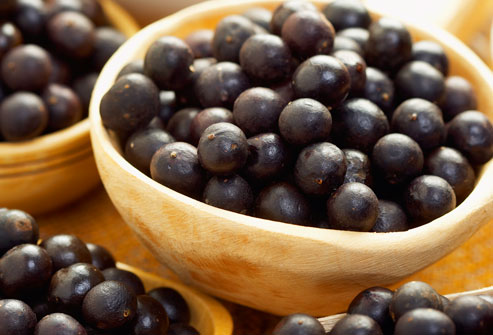
Acai- So, What’s the Story?

Acai is a Portuguese name for a kind of palm tree that is Indigenous to Important and South America. It commonly grows in Brazil and Peru, in swampy areas and floodplains. Scientifically the place is referred to as Euterpe oleracea. The Portuguese name means a plant that cries or expels water. In the latest times, the plant has become very famed especially for its fruit; which is small, round and black-purple in color. This acai fruit is used by the natives in the Brazilian Amazon as food. It is also served as a pulp and a beverage.

Globally, the curiosity in acai has been mainly because of its dietary content material, anti-oxidant skills and of course the use as a weight loss option. The dietary written content of the fruit is made up of proteins, carbohydrates, fat, dietary fiber, nutritional vitamins and low sugar value amongst others. In the market, the acai is sold as a dietary supplement, with celebrities like Oprah Winfrey promoting it through Dr. Oz. Acai is just one of the antioxidant foods in AIO – Premium Cellular Health

Acai is believed to have antioxidant qualities. Some research have shown that it has polyphenol and anti-oxidant anthocyanins, some nutritional vitamins, amino acids, enzymes, phytochemicals and minerals. These de-oxidizings are believed to have disorder-prevention skills, thus supporting the immune system of individuals who take this antioxidant food. It has flavanoids that are responsible for countering diseases such as heart sicknesss. Extracts of acai are believed to have an impact against peroxyl, peroxynitrite and hydroxyl radicals. Scientists have shown a link between damage of the free radicals and chronic disorders such as cancer, rheumatoid arthritis, cataracts, Alzheimer’s ailment amongst others.
The dense dietary valuAcai berry diet reviewse of the acai is also shown to suppress one’s appetite, hence the use as a weight loss option. It helps the libido, reduces inflammation and is believed to enhance stamina and power as well as delay getting older

Boost Your Your Networking Antioxidants for Better Health

Antioxidants are our body’s main defense against the harm brought about by free radicals which contribute to many chronic inflammatory and degenerative problems. They are the root cause of premature aging. Among all the antioxidants, a team of five are acknowledged as Network Antioxidants. This team of both water and fat soluble antioxidants work together to support your cells and operate together to help each other.

When an antioxidant passes an electron to repair a free radical, it actually becomes one, but a benign free radical without the potential to perpetuate the chain reaction. Unfortunately, when they become oxidized, they’re also not able to function effectively. But, what is unique about the network antioxidants is that they have the ability to help to regenerate each other and continue the cycle of searching out and repairing free radicals.

Even though they operate together, the network antioxidants fulfill distinct roles. The fat soluble ones, specifically CoQ-10 and Vitamin E protect the fatty cell membrane and the cell mitochondria, while the water soluble antioxidants, Vitamin C and Glutathione protect the center of the cell. ALA – Alpha Lipoic Acid is unique in that it is both fat and water soluble.

Vitamin C is the link which bridges the fat soluble and water soluble antioxidants in the network and is mainly responsible for rejuvenating Vitamin E when it becomes oxidized.

Vitamin E is closely connected with heart attack prevention, being the only antioxidant that can reach fatty elements of the cell that are not reachable to the rest of the network. It’s truly not a single compound but is instead a collection of fat soluble alcohols.

Atwww.wholeearthhealth.com/product/CoEQ10you can buy the supplement COQ10 which is usually found in all your cells, where it is concentrated in the mitochondria, the component of your cell that creates energy. Mitochondria are vulnerable to free radical injury which has been connected to a loss of energy as we age. Additionally, CoQ-10 works in the regeneration of Vitamins C, E and Glutathione

Glutathione, properly regarded as the Body’s Master antioxidant is continually circulating through your cells, revitalizing your immune cells and cleansing cellular waste from your body. It supports the rejuvenation of all of the other network antioxidants. Raising your glutathione levels helps protect you from various inflammatory conditions, autoimmune diseases, chronic fatigue syndrome, asthma and others.

ALA is unique amongst the Network Antioxidants in that it is both water and fat soluable and can benefit both the fatty membrane and water based interior of the cells. It is also uniquely capable of repairing itself and importantly can regenerate the other network antioxidants including glutathione. It helps to avert muscle damage during vigorous workouts.

Like glutathione and CoEnzyme Q-10, ALA is made by your body, but the production capacity falls off appreciably as we age

Why are So Many People Overweight?

Overweight and obesity is rising at a terrible rate all over the globe, particularly in advanced countries like the U.S.. In October 2002, information from the Centers for Disease Control and Prevention (CDC) show that 31% of grown ups in the USA were considered seriously overweight in the year 2000 compared to 14.4% in 1980.
In addition to that, around 15percent of youngsters and teenagers were overweight in 2000 – triple what the number was in 1980.

Definition of overweight and obese
The frequent definition for being called overweight or obese may possibly not make much sense to most individuals. Obesity ishaving a body mass index (BMI) greater than or equal to 30. Overweight is having a BMI of 25–29.9. So, what is BMI exactly?

BMI is a measure of body fat based on your height and weight. It is calculated by dividing your weight in kilograms by your height in meters squared.To make it easier, use this online BMI calculator:

In 2001, the U.S. Surgeon General warned that weight problems might soon kill more People in america than tobacco smoke. Understand this: With all of the improvements we have made in cleanliness, nutrition and controlling diseases, this generation will be the first in American documented history with a smaller life expectancy than their parents. We are killing ourselves and our youngsters with the habits that have made us obese.

What’s created this fat epidemic?
Why so many big and extensive changes in weight problems? Data compiled from around the earth show that distinct environmental and cultural conditions add to obesity in City and rural populations.
Experts believe that increasing rates of weight problems among young and old may be attributed to a mix of this list:

watching Tv
working with a computer
Driving long distances (for example, commuting)
Working long hours at inactive jobs
Conveniences which lower physical activity (like “drive-through” banking)
Lack of protected playgrounds for children
elevated consumption of pop and other “business-driven” factors that motivate overeating, like:
Larger portion sizes in restaurants
Increased sizes of individual food items (such as soft drinks, candy bars, bagels)
Increased prevalence of vending machines
Huge number of inadequate food choices
Agressive promoting of high-calorie foods
Advertising methods that encourage ordering bigger serving sizes
Emotional overeating, brought on by increased stress
Repeated dieting
Greater acceptance of obesity in selected cultural groups

Although many complicated cultural and environmental factors contribute to the weight problems trend, in most cases, the equation is simple: too many calories eaten and not enough calories expended (too little activity) is a recipe for obesity.

The obesity epidemic is just one of the many health problems we face with aging. Another problem is that our diets are lacking in antioxidant foods and our declining levels of glutathione – the Master Antioxidant leave us more vulnerable to free radical damage.

Vitamin D, Fat Burning and Exercise

While I write this the wintertime has Ontario in an icy grip. My greenhouse is frozen around the corners and the holidays are just ending. I went to the club this morning and – true to form- it’s a new year and the fitness center was crowded. I’m not so concerned though. I know that 5 weeks from now the temporary crowds will disappear again. I wonder, how many people will give up much too soon, blaming a lack of energy as their excuse not to exercise. If you consider that not having any energy is a cause to stay away from work out, consider that if you began to workout you might actually find yourself with far more energy. That’s not just me talking either. Its genuine.

Our bodies produce energy as we burn fuel – usually in the form of carbohydrates sugars, proteins and fats . Sugar burns the fastest, protein lasts a little longer and the longest burning up fuel is healthful fat. It burns slowly, which must be why it’s so very challenging to get rid of, but when we workout, the fats in our body recycle, but they don’t do it alone. Vitamin D recycles in addition to fat, but what triggers the Vitamin D to recycle is exercise. (just a note though, according to Dr OZ Brown Seaweed will help you burn belly fat)

Strenuous exercise activates your vitamin D which in turn activates the hormone insulin, which kick starts your metabolism and then the Vitamin D recycles fat from your bloodstream to feed that fire that was initiated by exercise in the first place and provides extra fuel for more activity.

Its a pathway that is put into motion when you bring that first step to get going. The more work you do, the more physical exercise you’ll be in a position to do (and want to do) and might I add, the more energetic you’ll feel?

Naturally, you’ll also have a certain amount of fat that doesn’t get burned and that is recycled throughout your body in a quantity of different ways, so its a fantastic idea to only eat the healthy forms of fats. Consider, brain cells are primarily produced of fat and so are hormones. With healthy and balanced fats in your diet plan, your brain will be created of healthier fat and your hormones will be better balanced. The same goes for cholesterol- good fats make healthier cholesterol- bad fats don’t.

Each of us call fats the enemy and certainly some fats are very bad for us, but I feel we’re actually our own worst enemy when we cosy up too much to the couch, our remote controls and our preferred excuses. Íf you’d like a little more support in your desire to enjoy extra energy you might also want to increase your glutathione to support your new exercise program.

AA – Ascorbic Acid and Vitamin C

Everybody has heard of vitamin C a.k.a.ascorbic acid (AA) also dehydroascorbic DHAA in its oxidized form. Basically, vitamin C is pretty much a catch all name for all compounds that show the same biologic activity as Ascorbic acid . It’s importance was originally recognized in 1747 when James Lind identified that men could be cured of scurvy if offered oranges and lemons. It was a lifesaving discovery for sailors and the expression Limey’s was swiftly adopted referring to the sailors in His Majesty’s Royal Navy.

Vitamin C is the most important and available water soluable antioxidant within your body . Its water solubility means that it can quench free radicals before they make it to the cellular shell. The relationship between Ascorbic Acid and glutathione- the body’s master antioxidant is unique. Vitamin C reduces glutathione back to the active form. Once reduced, glutathione will revitalize vitamin C from its DHAA or oxidized state. This why there is Vitamin C in Dr Kellers Glutathione Formula C is vital for the production of collagen. It is also important in the development of norepinephrine and serotonin. Ascorbic Acid may also have some anticlotting and blood flow improvement components by triggering the release within the body of Nitric Oxide, which is the most likely reason that Vitamin C is also a major ingredient in Pro-Argi-9Plus

Vitamin C is held in both the tissues and blood in our bodies. The adrenal and pituitary glands, and lens of the eye contain the highest concentrations of vitamin C inside of the body. It is one of the thirteen essential vitamins. Although the name “Essential” is often confused. What it really means is that an essential vitamin is one that can only come from our food since we cannot manufacture it within the body.

Alpha Lipoic Acid – Worth Reading

Available in each cell of your body – very much like glutatione – alpha lipoic acid (ALA) is an antioxidant that helps your cells transform glucose into energy. Different from antioxidants like Vitamin C which can exclusively work in water or vitamin E which only works in fat , ALA functions in both water and fat. It functions everywhere in your body. Like other antioxidants, ALA helps clear free radicals -metabolic waste – from your cells before they become junked up and toxic from a build up of waste. As opposed to many other antioxidants, ALA has the ability to help to revive other antioxidants after they have cleared out the odd electrons and renders them ready to continue to neutralize more free radicals.

ALA is also used as a short form for Alpha Linolenic Acid which is an omega-3 fatty acid, connected with heart health, but this is a different substance from Alpha lipoic acid – also referred to as Lipoic Acid.
Several studies have indicated that ALA may be able to help reduce levels of blood sugar and combined with it’s antioxidant properties, ALA could possibly be beneficial to people suffering from diabetic peripheral neuropathy, relieving some of the discomfort brought about by nerve damage.

Scientists are studying alpha lipoic acid to determine its effectiveness against glaucoma although they are yet to collect enough data, but because it can pass easily to the brain, it is possible that ALA may well be useful as a protector against brain and nerve tissue damage. It is now being studied as a possible treatment for stroke and other brain problems with root causes based on free radical damage. Dementia is one such condition.

ALA is an ingredient in Cellgevity where it contributes to the regeneration of the network antioxidants and supports the glutathione network.

Great Looking Skin Starts Inside

The health of our skin can tell us much about the well being of our complete body. We need to understand how to read the message and how to pay attention, because attractive skin is a good indicator of healthy and balanced amounts of important nutrients.

For example, skin moisture counts on glucosamine just as joint hydration does. So, dried skin most likely means dried up joints. Skin that is very easily broken indicates rapid aging, which probably signifies fast aging of our nervous system. In addition, skin that is quickly burned by the sun may indicate that our essential fatty acid (EFA) and antioxidant reserves are low which means other functions that rely on antioxidants and EFA for safety may also be at risk. Increase very low antioxidant reserves and increase your glutathione with MaxONE

Skin has a bottom of healthy fats. Many of the exterior creams we use on our skin are a type of fat. Even so, people are not developed to take in fats very efficiently through the skin. One good way to have a healthy base for your skin is to supplement with essential fatty acids. Vitamin D from fish oil and Vitamin E, one of the major fat soluable network antioxidants are a first rate place to start.

Sunlight and Vitamin D

The skyrocketing incidence of diabetes, osteoporosis and certain cancers absolutelyindicate that we are not getting ample Vitamin D. The rise in insomnia and seasonal depression tells us that we are not getting enough early morning sun.

We have to have more sunshine. Now, how will we make it safe?

Recognize the need for sun and the need to have caution. Plan your sun time so that you maximize the added benefits while minimizing the risks. For instance, get your sunlight early in the day. Early morning sunlight does not have the higher ultra-violet intensity that noon sun does. So, take a 20-minute stroll in the morning with your skin uncovered to sunlight. This will provide you the rewards without the risks of over-exposure.
Alternately, take a twenty-minute stroll late in the day with your skinuncovered to sunlight. There are fewer UV rays in the evening than at noon, although more than in the morning. This will have a less dramatic effect but will still supply many of the same advantages.

Never expose your skin to noon sun for extended periods of time. Wear clothes that protects most of your skin and put on a hat that gives shade for your face and ears.

Particular nutrients work well to safeguard against sun damage:
Essential fatty acids work with Vitamin D in the dermis to safeguard against dangerous radiation.
Vitamin C quenches hotbeds of oxidative stress.
Antioxidants, such as those found in berries and superfruits used to make AIO Premium Cellular Health with AC-11 derived from Uncaria can help protect against DNA damage from radiation.

What about sunscreen
Sunscreen is a truly hot topic, but using it is totally up to you. We have been outdoors for thousands of years without serious danger from sun exposure. The rise in skin cancer danger came about as a combination of seriously polluted air, a minimal antioxidant/nutrient diet and the40-year tanning craze that followed World War II.

Thefact is that more men and women die from cancer connected with Vitamin D deficiency than of skin cancer triggered by sunburn. Again, get some morning and evening sunlight for beneficial health, do not get a sunburn and keep your skin covered when you are out in midday sun.